
Featured products
-
Nozibye Mouth Tape
Regular price From $29.97 USDRegular price -
Nozibye Nose Strips
Regular price From $29.97 USDRegular price


Effective mouth tape
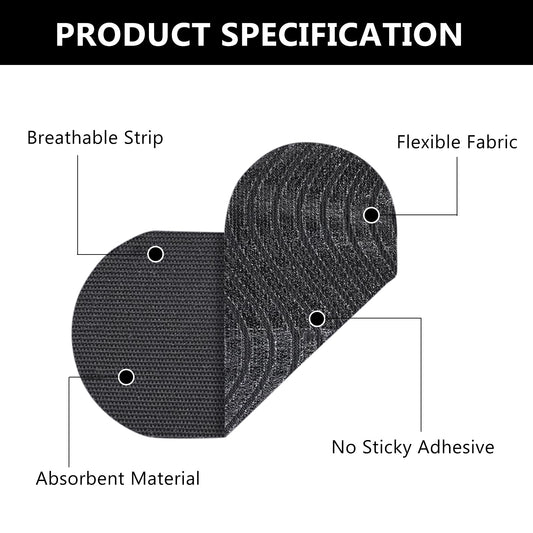
I use this mouth tape to support nasal breathing and find it excellent. It’s breathable, flexible, and stays on comfortably throughout the night. It removes easily in the morning without irritation or blistering. Gently peel back an edge and use water if needed.
4.0 out of 5 stars Lovely
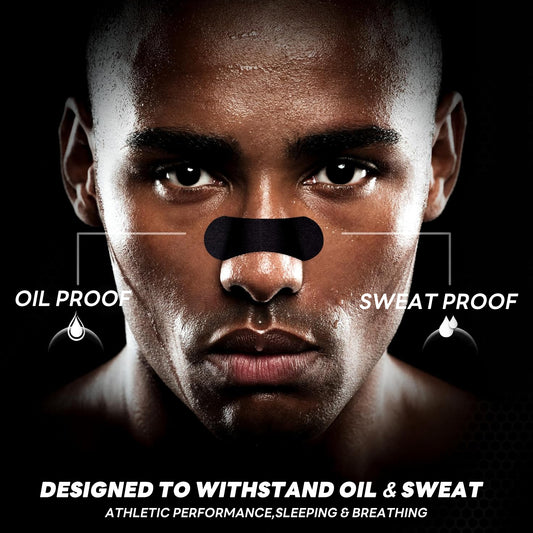
really like these soft, black, bean-shaped nasal strips. The texture, stiffness, and adhesive are just right. They stick well, open my nostrils effectively, and remove easily in the morning without leaving residue.
SLEEP WELLNESS
The Science of Better Sleep
Small changes can create a more restorative night.
Designed for clearer airways and more comfortable rest, our nasal strips offer a simple, non-invasive way to support your nightly routine.

Quality Sleep Matters For Your Overall Wellness
Understanding the connection between nighttime breathing habits and your daily energy may help you support a better sleep routine.

High Blood Pressure
Repeated nighttime airway obstruction triggers stress responses and intermittent hypoxia, causing sudden blood pressure spikes.

Reduced Stamina
Mouth breathing reduces oxygen efficiency, contributing to daytime fatigue and lower physical endurance.

Snoring & Sleep Apnea
Chronic mouth breathing during sleep may signal a narrowed airway, increasing the risk of snoring and obstructive sleep apnea.

